Balanced Meal Planning for Beginners
Discover practical guides, meal templates, and expert insights to help you build healthy eating habits from day one.
The information on this site is for educational purposes only and does not constitute medical advice. Always consult a qualified healthcare professional before making health decisions.
Browse by Category
Why Balanced Meal Planning Matters
Starting a balanced eating journey doesn't require complicated rules or restrictive diets. Instead, it's about understanding how to combine different food groups in ways that nourish your body and fit your lifestyle. When meals are balanced, you're more likely to maintain consistent energy levels throughout the day, feel satisfied between meals, and enjoy the process of eating well.
For beginners, the most important step is learning what balance actually looks like on your plate. Rather than counting calories or following rigid frameworks, balanced meal planning teaches you practical skills: how to read ingredient lists, select whole foods, understand portion sizes, and create meals that taste good while supporting your wellness goals.
- Simple frameworks that work with your schedule
- Practical cooking techniques for everyday meals
- Flexibility to adapt to your food preferences and goals
- Sustainable habits instead of temporary changes
Key Insights for Balanced Eating
Focus on Food Quality
The foundation of balanced meal planning is choosing foods in their natural state. Whole foods—vegetables, fruits, grains, legumes, and lean proteins—provide the nutrients your body needs to function optimally. When you prioritize quality ingredients, planning becomes easier and results naturally follow.
Understand Your Portions
Portion control isn't about eating tiny amounts—it's about eating appropriate amounts of nutrient-dense foods. Learning visual cues (like using your hand as a measuring tool) helps you develop intuition around portion sizes without needing to weigh everything. This skill becomes invaluable for long-term eating habits.
Build Sustainable Habits
Balanced eating is a marathon, not a sprint. Rather than making drastic changes overnight, successful beginners focus on adding one or two new habits at a time. Whether it's drinking more water, increasing vegetable intake, or planning one extra meal per week, small changes compound into lasting transformation.
Your Balanced Meal Planning Journey
Assess Your Current Eating
Track what you typically eat for 3-5 days without judgment. This baseline helps you understand patterns and identify where to make simple adjustments for better balance.
Learn Your Nutrition Basics
Understand the role of proteins, fats, carbohydrates, vegetables, and fruits in your meals. This knowledge empowers you to make choices aligned with your personal goals.
Plan Your Weekly Meals
Use templates and guides to sketch out 3-5 balanced meals for the week. Start small with just breakfast and dinner, then expand as you build confidence.
Prepare & Adjust
Shop smartly, prep ingredients, and cook your planned meals. Notice what works and what doesn't, then refine your approach based on real-world experience.
Frequently Asked Questions
How do I balance my plate at each meal?
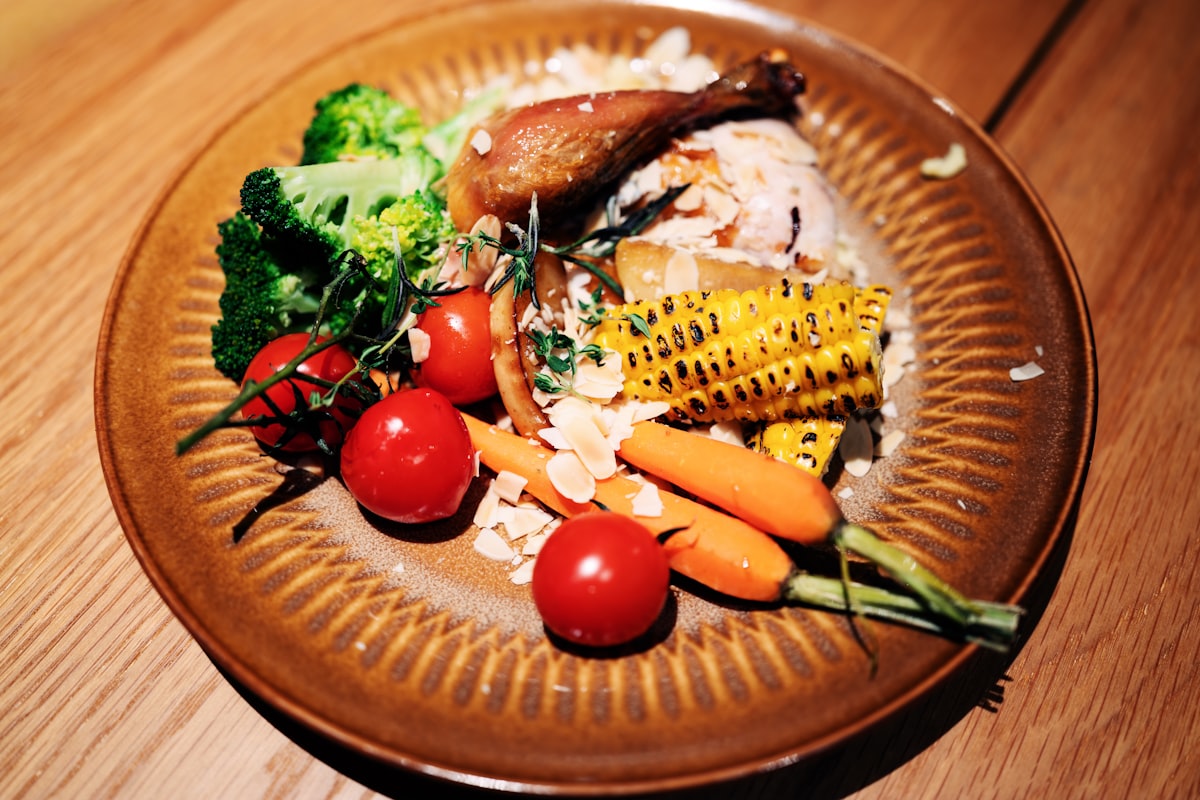
A simple approach: fill half your plate with vegetables, one-quarter with a protein source (meat, fish, legumes, or dairy), and one-quarter with a whole grain or starchy vegetable. Add a small portion of healthy fat (olive oil, nuts, seeds) and you have a balanced meal. This visual method is easier than counting macros for most beginners.
Can I follow a meal plan while eating out?
Absolutely. Restaurant meals can be balanced using the same principles. Order a protein, request extra vegetables or salad, and choose whole grain sides when available. You're applying the same balanced framework—it just looks different. This flexibility is why learning principles is more valuable than following rigid meal plans forever.
How long does it take to see results from balanced eating?
Many people notice improved energy levels and better digestion within 1-2 weeks of eating more balanced meals. Other changes take longer and vary by individual. Rather than focusing on a timeline, notice how consistent balanced eating makes you feel and think—that's the true measure of success for beginners.
What if I don't like some healthy foods?
Balance doesn't require eating foods you dislike. There are many vegetables, proteins, and whole grains to choose from. Experiment with different preparation methods—roasted, steamed, in soups, or raw. Start with foods you already enjoy and gradually expand. Your preferences may shift as your palate develops.
Do I need special equipment or tools to meal prep?
No. A sharp knife, cutting board, pots, and pans are sufficient to start. Food storage containers, a scale, or a food processor are helpful but optional. Many successful meal planners begin with what they have and add tools only if they genuinely improve their routine. Keep setup simple to reduce barriers to getting started.
How do I stay consistent with meal planning?
Start with one or two meals per week instead of planning every meal. Use the same simple recipes repeatedly until they become automatic. Schedule a specific time for planning and shopping—treat it like an important appointment. Track what works and celebrate small wins. Consistency comes from making planning a manageable part of your routine, not from being perfect.
Reader Success Stories
"I've always struggled with knowing what to eat, so I'd end up ordering takeout constantly. This approach made it click for me. Now I understand the basics and actually enjoy planning meals instead of feeling stressed about it. The templates are lifesavers."
— Elena, Bilbao
"What I love most is that this isn't about perfection or restriction. It's genuinely practical advice for real life. I've recommended the articles to all my friends who want to eat better but don't know where to start. Finally, a resource that doesn't overcomplicate things."
— Carlos, Madrid
"As someone with a busy schedule, I was skeptical about meal planning. But the batch cooking guide changed everything. I now spend a few hours on Sunday and have healthy meals ready all week. My energy is better and I'm spending less money. This should be taught in schools."
— Laura, Valencia
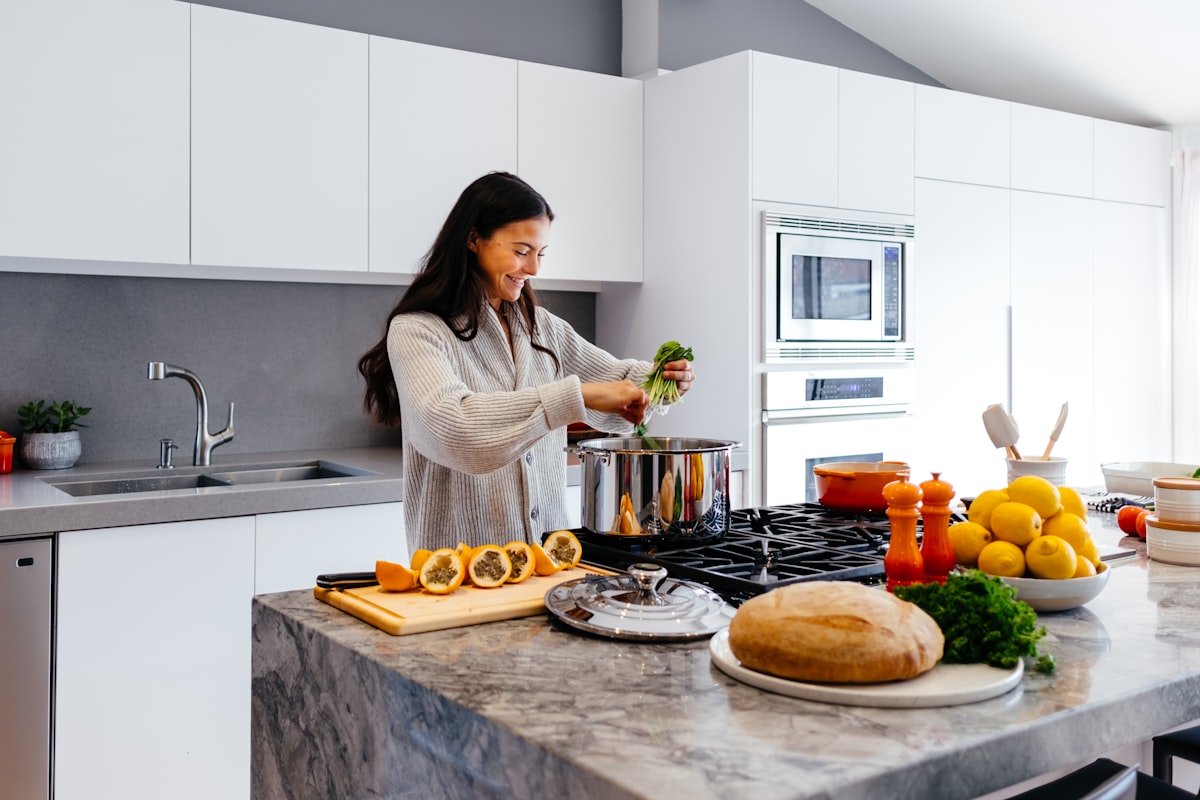
Meal Planning in Action
What Our Students Say
"This course completely transformed how I approach meal planning. I'm eating healthier and saving money on groceries. Highly recommend!"
Sarah M.
Food Blogger
"As a busy professional, I finally have easy, nutritious recipes that fit my schedule. The lessons are clear and practical!"
James T.
Marketing Executive
"I love the flexibility to learn at my own pace. The video lessons are engaging and the recipes are delicious. Worth every penny!"
Emma L.
Stay-at-Home Parent
Frequently Asked Questions
Do I need cooking experience?
No! Our lessons are designed for all skill levels, from complete beginners to experienced cooks. We start with the fundamentals and build from there.
How long do I have access to the course?
Once you enroll, you have lifetime access to all course materials. Watch at your own pace, anytime, anywhere.
Can I get a refund if I'm not satisfied?
Absolutely! We offer a 30-day money-back guarantee. If you're not happy, we'll refund your purchase, no questions asked.
Are there dietary accommodations?
Yes! We cover vegetarian, vegan, gluten-free, and keto options. All recipes come with substitution suggestions.
Ready to Transform Your Eating Habits?
Join thousands of students learning to eat clean, healthy, and delicious meals every day.
30-day money-back guarantee. No risk, all reward.